
Who stocks the corner
KLT stands for Keep Learning from Toys. We started with one simple observation: the kids who could not sit still were not being naughty, their hands were looking for something to do.
Why fidgets, and why quiet ones
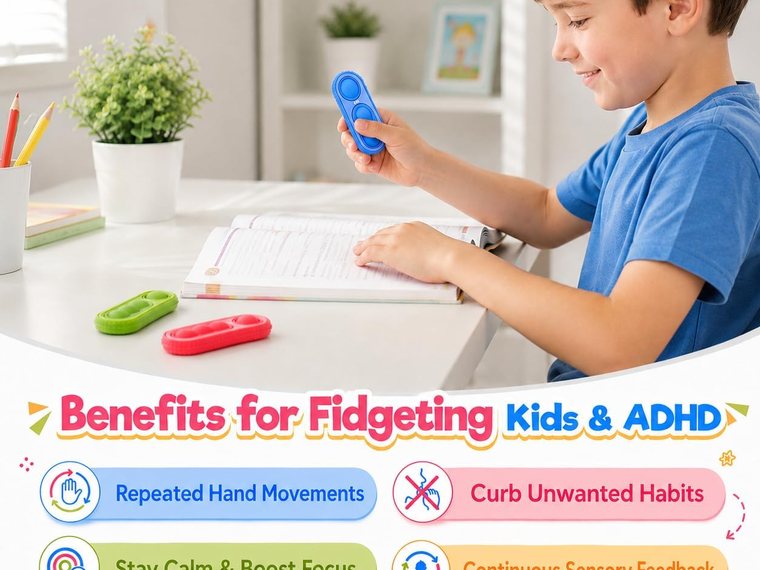
A child picking at a sleeve, tapping a pencil or chewing a collar is telling you something. Give those fingers a quiet, repeatable job and the rest of the body often follows: shoulders drop, eyes come back to the page, the next five minutes go better. That is the whole job of a fidget, and it is the only job we design for.
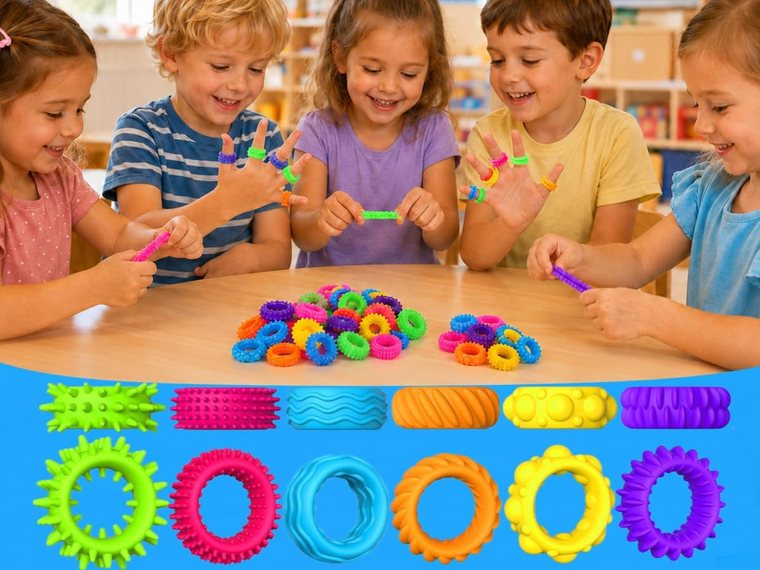
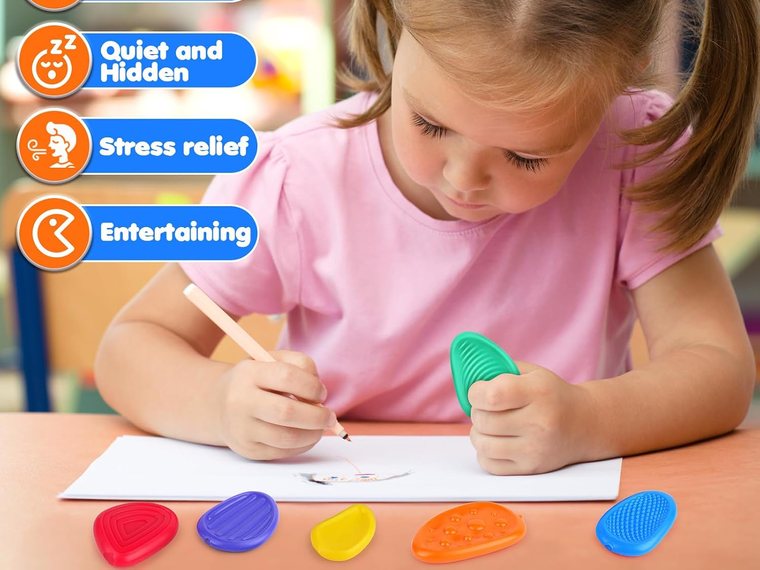
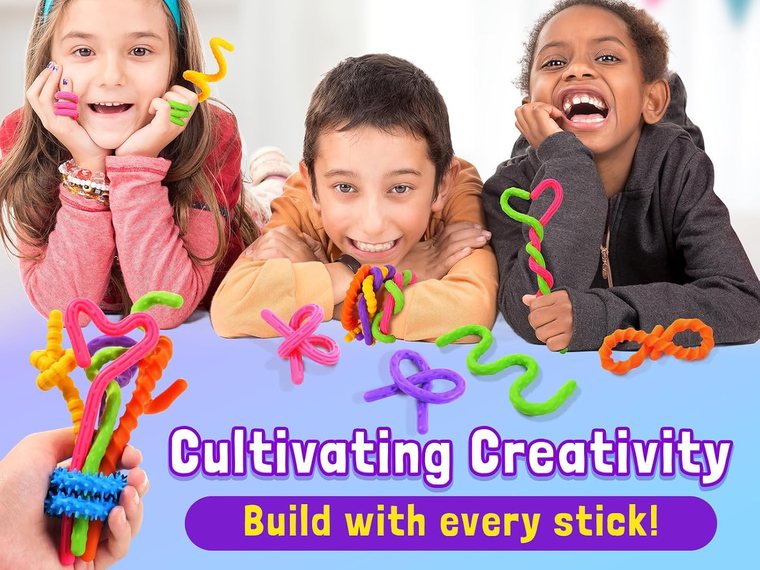
So everything we make is silent in use. Rings roll, stones rub, sticks bend, cubes flip. If a fidget would pull the kid at the next desk out of their work, it does not go in our corner.
- 28fidgets in the range
- 8,367ratings from families and teachers
- 3 to 100pieces per pack
How a KLT fidget gets made
- 1
We watch the habit
Teachers, occupational therapists and parents tell us what hands do: pick, rub, twist, pull, repeat.
- 2
We match the motion
Each fidget gives one of those motions a quiet, safe outlet with a texture worth feeling.
- 3
We test the material
Child-safe silicone, soft rubber and odorless plastic, with rounded edges and one-piece builds where we can.
- 4
We pack it to share
Small sets for one child, bulk boxes so a whole class or party gets the same thing.
Be happy. Be focused. Be you. That line sits on the inside of our team notebook. It is what we want every child to feel with a KLT fidget in hand.
Who uses our fidgets
In classrooms
- Calm-down corners
- Prize boxes and reward charts
- Test days and reading time
- Special education and resource rooms
At home and beyond
- Homework at the kitchen table
- Long car rides and flights
- Waiting rooms and restaurants
- Desks of grown-ups who think better fidgeting
KLT takes part in an affiliate programme: when you buy through a Buy button on this site, we may earn a small commission at no extra cost to you.